
Harnessing Blockchain Data Analytics: A Game Changer in the Crypto Industry
In recent years, businesses across the globe have increasingly recognized the transformative potential of blockchain technology. With its intrinsic characteristics of transparency, decentralized trust, and immutability, blockchain is revolutionizing how transactions are managed and recorded. However, one significant aspect that often goes unnoticed is the continuous stream of data generated by blockchain networks. This calls into question: Is the growing field of blockchain analytics an urgent requirement within the crypto and blockchain landscape?
Why Blockchain Analytics is Critical Today
Organizations operating with blockchain protocols, along with crypto investors, require actionable insights to make informed decisions and effectively manage risks. This is where blockchain analytics proves invaluable. It lays a foundational understanding of network dynamics, asset flows, participant behavior, and smart contract engagements. Embracing blockchain analytics can substantially enhance competitive advantages in the crypto domain.
The Fundamentals of Blockchain Data Analysis
Understanding blockchain data analysis is now an essential competency for anyone involved in blockchain technology. Traders and investors must differentiate between the substantial opportunities and mere market noise. The first step in grasping blockchain data analysis is recognizing how transaction data is recorded on blockchain ledgers.
Blockchain networks meticulously document every transaction, encompassing crucial details such as asset prices, associated wallets, and transfer dates. While these entries generally do not disclose personal identities, they permit the tracing of wallet addresses, facilitating the mapping of token flows and behavioral trends. Blockchain data analysis involves collecting, structuring, and interpreting data from various blockchains, utilizing data science techniques and specialized tools to visualize complex datasets.
The Significance of Blockchain Data Analytics
On-chain data analytics serves as a powerful resource to uncover critical market trends and assess the overall activity within a blockchain ecosystem. Through effective analytics, you can measure the interest level for specific crypto assets, understand how assets are moving, and evaluate the health of protocols, all of which provide an unobstructed view of trends within the crypto economy.
Identifying Accumulation Trends Early
One of the primary advantages of on-chain analysis is the ability to detect when major wallets begin accumulating specific crypto assets. Insights from on-chain data can reveal sudden inflows for new tokens, repeated purchases by certain wallets, or asset transfers to cold storage—signifying long-term investment intent.
Understanding Price Movements Linked to Smart Contracts
The interaction between smart contracts and price fluctuations is another area where blockchain analytics shines. Announcements regarding new features can result in noteworthy price shifts, and blockchain analytics allow you to set alerts for the deployment of these contracts. Additionally, analyzing linked wallet behaviors can reveal instances of insider trading.
Monitoring Token Velocity, Exchange Flows, and Gas Usage
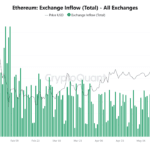
Blockchain analysis tools can also shed light on token velocity and exchange flows, indicating user activity versus automated trading (bots). High token velocity might denote farming activities or ecosystem engagements. Monitoring gas fees can aid in discerning genuine users from bots, offering a transparent picture of whether users are holding or selling a given asset.
On-Chain Analysis vs. Technical Analysis
While technical analysis relies on patterns and indicators to gauge market sentiment, on-chain analytics focuses on real-time actions within the crypto market. By utilizing on-chain data, you can better understand the behaviors of genuine users versus automated entities and get a clearer picture of the underlying value in blockchain projects.
Top Tools for Blockchain Data Analysis
To effectively access and interpret blockchain data, specialized tools are essential. Familiarity with leading blockchain analytics platforms is crucial for maximizing your analytical efforts.
Dune Analytics: Suitable for users with technical skills in SQL, Dune allows you to create custom dashboards for on-chain analytics, facilitating bespoke research and community insights.
Elliptic: This platform specializes in crypto risk management, providing tools for anti-money laundering (AML) compliance, forensic investigations, and fraud detection.
DeFi Llama: While not explicitly an on-chain analysis tool, it offers data aggregation capabilities for decentralized finance, giving comprehensive insights into yield data from various DeFi protocols.
- Chainalysis: Widely utilized in the crypto sector, this tool assists with AML and KYC compliance, making it ideal for risk management within financial institutions and crypto businesses.
Final Thoughts
The rapid advancement in blockchain and cryptocurrency adoption advocates a transformative shift in trust and transparency within these technologies. However, the effective utilization of data remains paramount to achieve this. Integrating analytics with blockchain data empowers both users and institutions to navigate the volatile crypto landscape more effectively. By leveraging accurate on-chain data and robust analytical tools, stakeholders can confidently make informed decisions as they embark on their blockchain journeys.
As the landscape continues to evolve, learning about blockchain analytics will only become more beneficial. Whether you’re a business entity or an individual investor, understanding the intricacies of blockchain data will certainly position you for success in the digital economy.