On August 21, 2025, Justin Sun, the founder of TRON, announced via his X account that the TRON community will be updating network fees according to actual market conditions. This move is aimed at maintaining the competitiveness of the TRON network amid a bullish market, especially as TRX prices continue to rise. This news prompts several questions: What implications does this have for the market, traders, and everyday users? Let’s explore.

Current Developments in the TRON Network
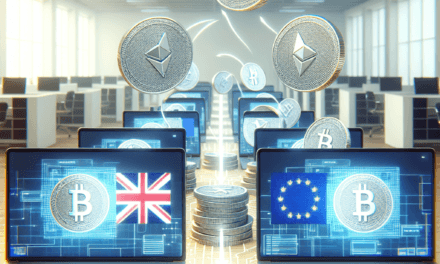
Recently, deBridge—a multichain interoperability protocol—integrated TRON. This upgrade enables users to swap assets in real-time with Ethereum, Solana, and over 25 other blockchain networks.
This addition not only enriches TRON’s speedy network—which currently handles nearly half of all Tether’s USDT—but also enhances deBridge’s service offerings for more affordable and secure transfers. As reported by The Block, TRON houses approximately 81.4 billion USDT out of a total 167.2 billion.
Now, users can seamlessly route their assets across TRON and more than 25 additional chains through deBridge’s user-friendly interface and APIs.
New Fee Structures in the TRON Network
According to Justin Sun’s recent communication, adjustments to network fees will be made by the TRON Super Representatives—special nodes that validate and manage the network. This restructuring is facilitated by the introduction of Gas-Free transactions.
With Gas-Free, users can conduct USDT (TRC-20) transactions without needing to hold TRX to pay for gas fees. Instead, transaction costs are directly deducted in USDT or compensated via staking mechanisms.
This change has led to a significant reduction in average weekly commissions, dropping from 2.47 TRX to just 0.72 TRX—a decrease exceeding 70%, as noted by Lookonchain and Nansen.

Implications for TRON Wallet Users
For users holding TRON wallets, fee reductions are on the horizon.
Since transaction fees on the TRON network are dynamic— influenced by network resources such as Energy and Bandwidth as well as broader market trends—it’s advisable to seek out the most current data not through headlines but through on-chain metrics and verified sources.
You can track real-time prices of Energy and Bandwidth and the average transaction costs through Tronscan, specifically in the Resource Monitor segment.
Lastly, make use of Coin Wallet to monitor TRON prices effectively. We provide comprehensive updates based on average transaction costs.
Join our community today and stay ahead of the crypto surge tomorrow! ❤️