2025: The Year of Crypto’s Disillusionment
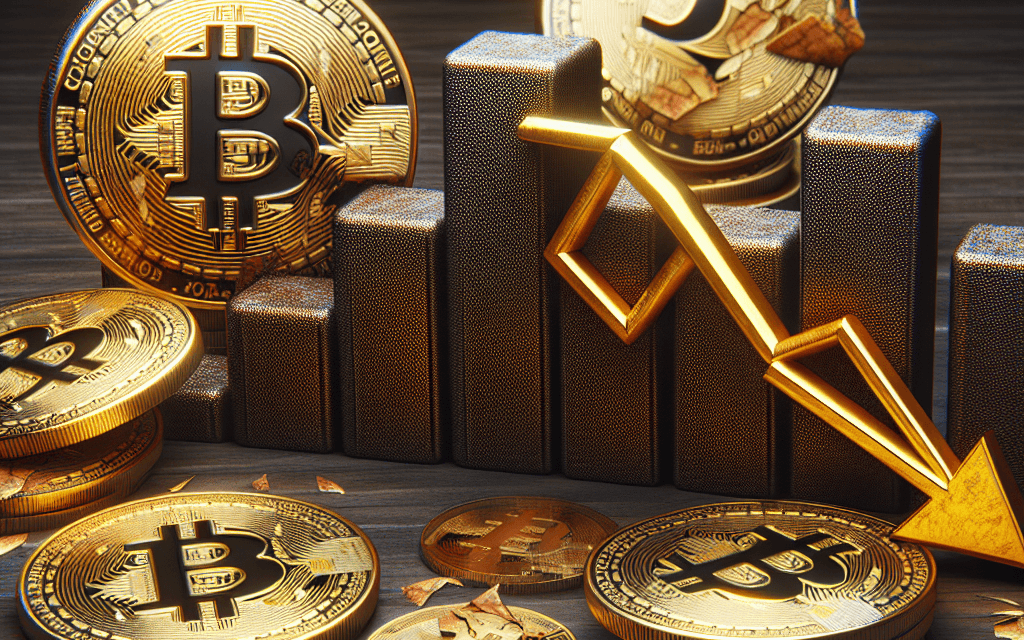
2025 was heralded as the year cryptocurrencies would reach maturity—characterized by regulatory clarity, institutional adoption, and a resilient infrastructure. These pillars seemed solid at first glance, but the year ultimately served as a stark reminder of how quickly narratives can disintegrate when obscurity collides with the reality of price discovery.
Hype vs. Reality: A Cautionary Tale of Token Economics
Tokens that launched amidst enormous fanfare and extracted hefty fees soon exposed their underlying issues. As the facade faded, internal deals, dilution schedules, and unfulfilled promises came to light, leaving retail investors in disarray. Common threads linked various failures, from Movement Labs to KindlyMD, illustrating a familiar blueprint: sell a dream to retail while negotiating substantially disparate terms for insiders, ultimately leading to evaporated liquidity when the bubble bursts.
Governance Theater: A Crime Scene
In December 2024, Movement Labs promised an Ethereum scaling solution powered by Move-VM, employing slick marketing and prominent exchange listings. By mid-2025, however, the project stood as a textbook example of how opaque token deals can obliterate credibility faster than any technical malfunction.
Reports revealed that Movement had allocated roughly 66 million MOVE tokens, or about 5% of its total supply, valued at approximately $38 million, to a market maker via an intermediary. Most tokens flooded the market almost instantaneously, prompting Coinbase to delist MOVE during the ensuing scandal. Subsequently, co-founder Rushi Manche was suspended, and an external governance review was commissioned. By December 30, MOVE plummeted 97% from its all-time high in late 2024.

Chart showing MOVE’s sharp spike to over $1.20 in December 2024, followed by a decline to $0.03 throughout 2025.
The Cost of Opaque Terms: Berachain
Emerging as the "native DeFi L1," Berachain saw its total value locked (TVL) surge above $3.2 billion shortly after launch. However, by the end of 2025, their TVL had dwindled to approximately $177 million, marking a 90% drop.
Early investors benefitted from favorable side-letter terms undisclosed in public offerings. This two-tier deal contradicted Berachain’s "community first" narrative, accelerating the token’s downslide. The project showcased the limitations inherent in transient liquidity, aggravated by secretive investor arrangements.

Berachain TVL surged above $3.3 billion before collapsing over 90% by year-end.
Price Manipulation: The Mantra Saga
Mantra’s OM token surged from $0.05 to peaks over $9 in early 2025, fueled by the growing narrative around real-world assets (RWA). However, a price collapse ensued, with the token plummeting 90% due to alleged order book manipulations by centralized exchanges. Subsequently, accusations emerged suggesting that market makers exploited validation gaps to inflate OM token liquidity. By December 30, OM exhibited a staggering 98% year-to-date drop.

OM’s price surged then fell drastically in a short timeframe.
The Downfall of GameFi
GameFi became one of the worst-performing narratives of 2025, experiencing a 75% year-to-date decline, according to CoinGecko. Participation in GameFi waned, with investor interest dropping from 3.7% in 2024 to a meager 1.3% in 2025. Legacy titles and new launches alike struggled to sustain momentum, evident in the steep declines of established names like AXS, GALA, and SAND.
The Rise and Fall of Pi Network
The much-anticipated launch of the Pi Network’s Open Mainnet in February 2025 led to initial excitement, with the token peaking at $2.98 before swiftly dropping over 80% by early April. Community backlash followed, with users organizing protests against unfavorable token economics. Ongoing concerns over token distribution—60% held by the core team—undermined confidence. As the project’s promises unraveled, Pi Network reinforced a critical lesson: the gap between marketing hype and reality can be severely damaging.

The Pi Network token dipped sharply from its February peak of nearly $2.50 to approximately $0.20 by year-end.
Scandals and Memecoins
The year was punctuated by scandals surrounding projects like PolitiFi, with memecoins drawn from icons like former President Trump surging suddenly only to crash spectacularly. Calculated maneuvers by insiders left countless retail investors heavily invested in speculative assets that quickly lost value. Allegations surfaced regarding schemes that exploited community trust for profit.

Memecoins like TRUMP and MELANIA soared before plummeting.
The Reality Check for AI Tokens
While the AI narrative shone brightly at the start of 2025, resulting in average returns of -50.2%, it soon became evident that being adjacent to budding technologies didn’t translate to tangible token value. Many AI-focused tokens saw massive losses, totaling around $53 billion wiped from the market.
The Layer-2 Power Law
Despite some success, the significant migration of TVL to Layer-2 ecosystems exposed fundamental weaknesses. Notably, growth congregated in a select few projects, undermining smaller competitors and revealing that isolated incentives couldn’t sustain customer loyalty or engagement. Average returns for L2 governance tokens reflected a -40.6%, cementing a disappointing trend for the year.
Bitcoin Treasuries: The KindlyMD Collapse
Finally, the merger of KindlyMD with Nakamoto Holdings exemplified how precarious the digital asset treasury strategy could be. Although trading at nearly $25 initially, the stock price plummeted by almost 99% post-merger. Despite holding a substantial amount of Bitcoin, the dilution from unlocking PIPE shares rendered the equity fundamentally unattractive.
Overall, 2025 exemplified a year where opaque practices, unsustainable models, and unfulfilled promises culminated in a widespread crisis of confidence across the crypto landscape. The market decisively punished those who conflated hype with product-market fit and treated token launches as quick liquidity events rather than the beginning of a long-term journey.