Write a new detailed article from
The best hardware wallets after the Coldcard hack are designed to keep your crypto keys secure and protect your funds from online and physical attacks. Choosing one depends on security features, seed generation, and ease of use.
So, after everything that happened recently, do we need a new list of the best hardware wallets after the Coldcard hack?
The question is fair. The Coldcard hack exposed a serious flaw in how some devices generated wallet seeds. A 2021 software change caused affected Coldcards to use a weaker software random number generator instead of the device’s hardware RNG. This made some seeds predictable enough for attackers to recreate and drain.
The scale was significant. TRM Labs identified more than 5,200 affected addresses, with around 1,816 BTC worth $116 million stolen across multiple waves. Some of the stolen Bitcoin has since moved through CoinJoin and THORChain, while a large portion remains in tracked addresses.
So what should you actually look for in a hardware wallet now? Let’s break down which security features matter and how the major options compare.
What the Coldcard Hack Taught Us About Hardware Wallet Security
The Coldcard Hack showed why hardware wallet security is about more than just keeping the device physically protected. The vulnerability affected seed generation, the process used to create the secret that controls your Bitcoin.
A firmware error caused some Coldcards to generate seeds with weaker randomness than intended, making them predictable enough for attackers to recreate the wallets and steal Bitcoin.
The incident also exposed an important limitation of firmware updates. Updating the device fixed the problem for newly generated seeds, but it couldn’t repair a seed that had already been created under the affected conditions.
When comparing hardware wallets, don’t just ask whether they use a random-number generator. Look at where the randomness comes from and whether the wallet combines multiple sources.
A wallet that relies mainly on one RNG has a single point of failure if that system develops a serious bug, while combining several independent sources adds another layer of protection. Some wallets also let you add your own randomness through dice rolls, giving you a source of entropy outside the device itself.
Read our in-depth coverage for the full technical breakdown of the Coldcard vulnerability, including what happened, which devices were affected, and what you should do if your seed is at risk.
How We Ranked the Best Hardware Wallets After the Coldcard Hack
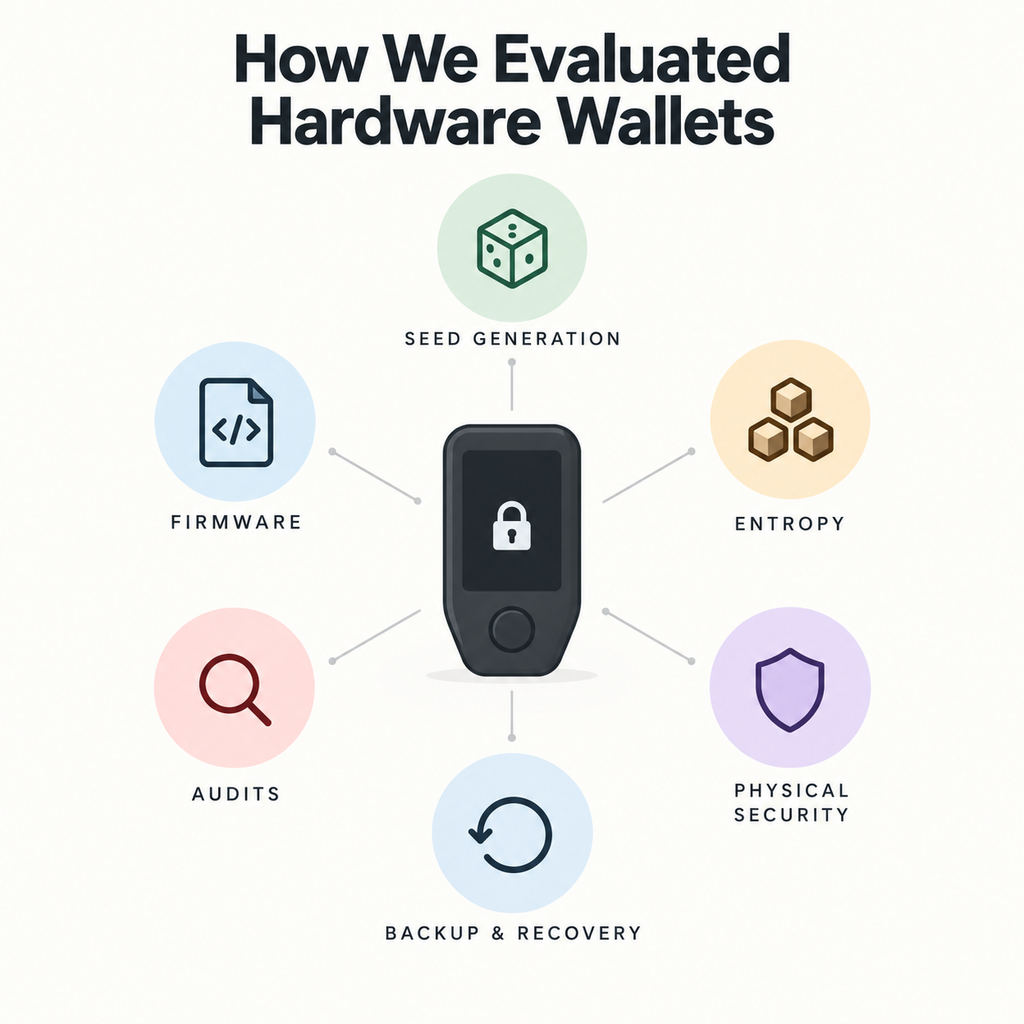
We didn’t rank these wallets by features alone. After the Coldcard Hack, we focused on what actually keeps your Bitcoin safe. We looked at how each wallet creates your seed and where its randomness comes from and whether you can add your own randomness and what happens if something goes wrong.
We also looked at how the wallet’s software is built, reviewed, and updated, and whether security researchers have tested it. Physical protection mattered too, including how the device protects your keys if someone gets hold of it.
Finally, we considered how safely you can back up and recover your wallet.
A secure chip or security certification is useful, but neither guarantees that the entire wallet is secure.
10 Best Hardware Wallets After the Coldcard Hack
There isn’t one best hardware wallet for everyone. Your choice depends on what you value most: simplicity, Bitcoin-only security, keeping the device completely offline, or supporting many different cryptocurrencies.
1. Trezor Safe 5 / Safe 7
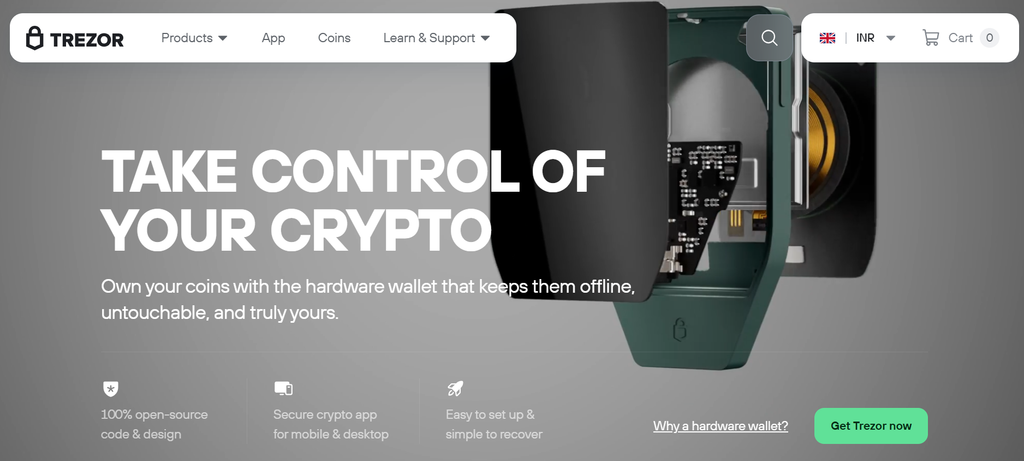
Trezor is one of the strongest Coldcard alternatives if you want a balance between security and ease of use. Its software is publicly available for researchers to inspect. Safe 5 also has a separate security chip that helps protect your keys if someone gets physical access to the device. Safe 7 adds another security chip with publicly available designs.
Trezor also contributes independent hardware randomness when generating seeds. It comes up frequently in public forum discussions as a trusted alternative to Coldcard, especially among people who want open software without a complicated setup.
2. BitBox02 Bitcoin-only
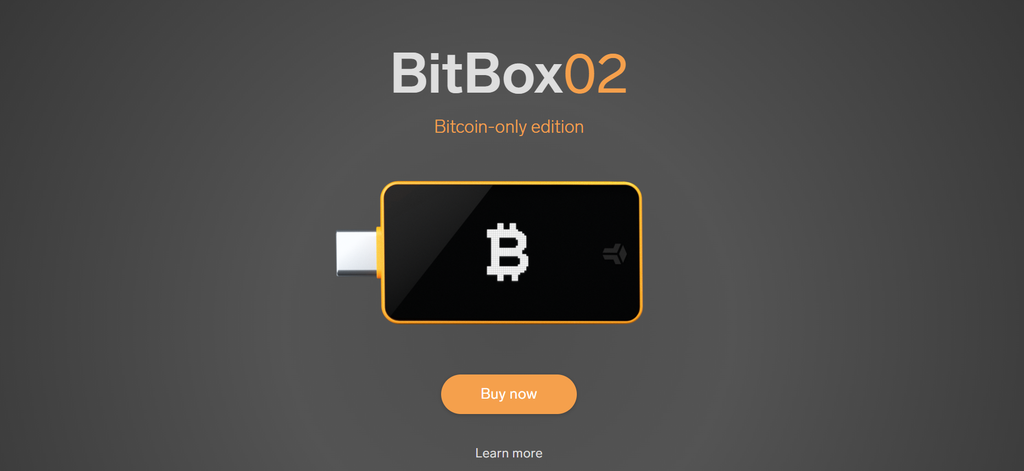
If you only hold Bitcoin, the BitBox02 Bitcoin-only edition keeps things simple by removing support for other cryptocurrencies. That means fewer features and less software to worry about.
Its seed generation combines five entropy sources: the secure chip, the main microcontroller, a unique factory-generated value, your computer’s randomness, and your device password. You can also generate your own seed using dice rolls instead of relying on the device’s randomness.
Bitcoin users on public forums regularly recommend BitBox02 when looking for a simple, Bitcoin-focused alternative to Coldcard.
3. Blockstream Jade
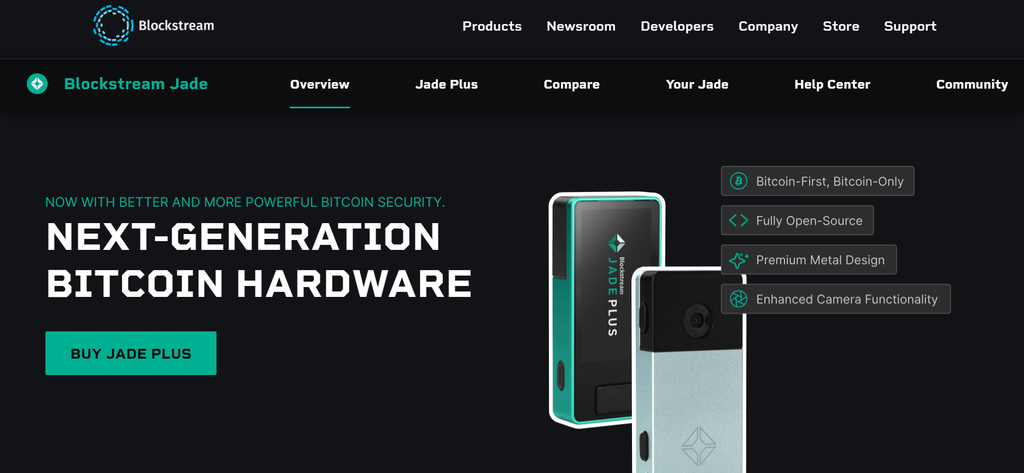
Jade is another Bitcoin-focused wallet that keeps its software publicly available for inspection. Unlike many competing wallets, it doesn’t use a dedicated chip to store or protect your private keys. Instead, it uses software-based security, keeping more of its security model open for inspection. Blockstream chose this approach so the security system can be inspected more openly.
It also supports signing transactions without connecting the device directly to your computer. Jade is often recommended on Reddit as an affordable Coldcard alternative, particularly by Bitcoin users who value open software.
5. Keystone 3 Pro
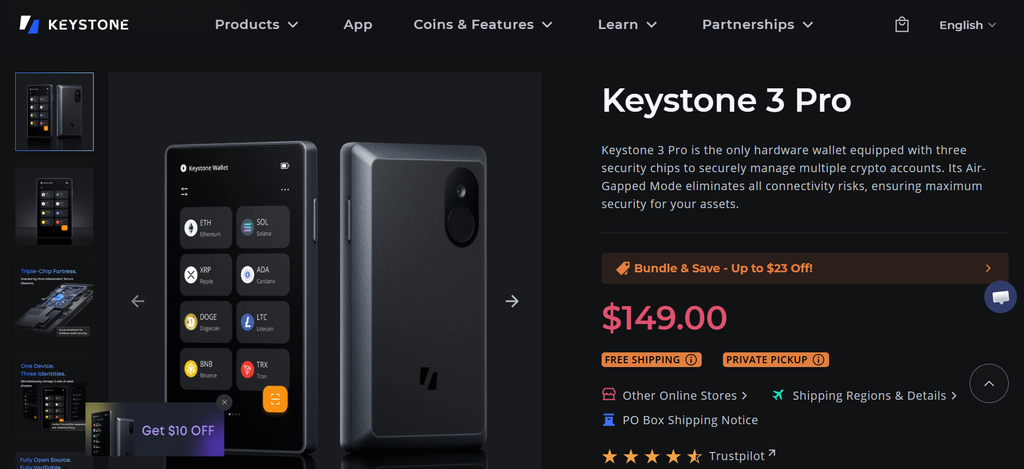
Keystone 3 Pro is a good choice if you want an offline wallet without dealing with a tiny screen. Its 4-inch touchscreen uses QR codes to communicate with your phone. Your phone sends an unsigned transaction as a QR code, Keystone signs it offline, and then sends the signed transaction back. Your private keys therefore never leave the offline device.
Its seed generation is also important after the Coldcard hack. Keystone combines three independent sources of randomness, including its main processor and two Secure Elements, to generate the seed. The Secure Elements then protect the seed and private keys.
It supports Bitcoin and many other cryptocurrencies, making it less Bitcoin-focused than wallets like Coldcard or BitBox02.
6. Ledger Flex / Stax
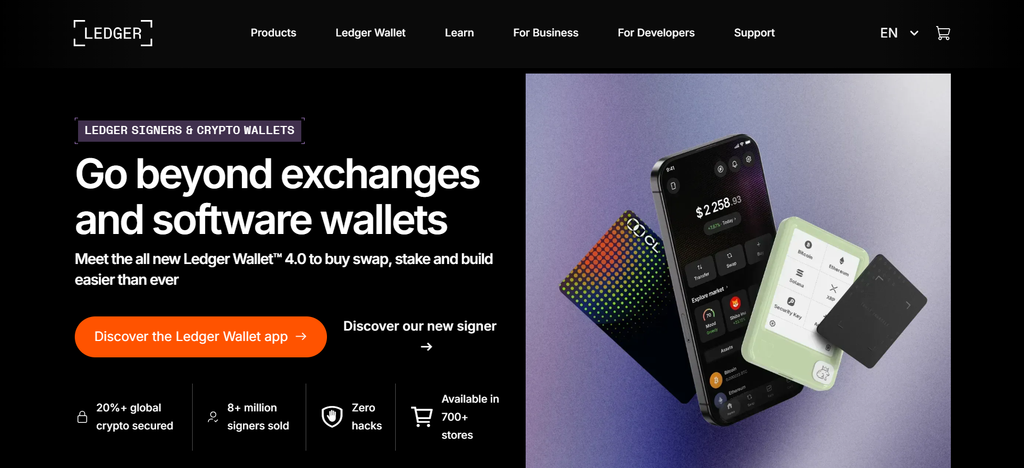
Ledger makes more sense if you hold Bitcoin alongside many other cryptocurrencies. The Flex and Stax use a dedicated security chip to protect your keys and have large touchscreens. Ledger also has a large software ecosystem and broad asset support.
The trade-off is that not all of Ledger’s software is publicly available. That makes it harder for outsiders to inspect every part of the system themselves. Reddit opinions are divided. Some users continue to trust Ledger because of its long track record, while others prefer wallets with fully public software.
7. NGRAVE ZERO
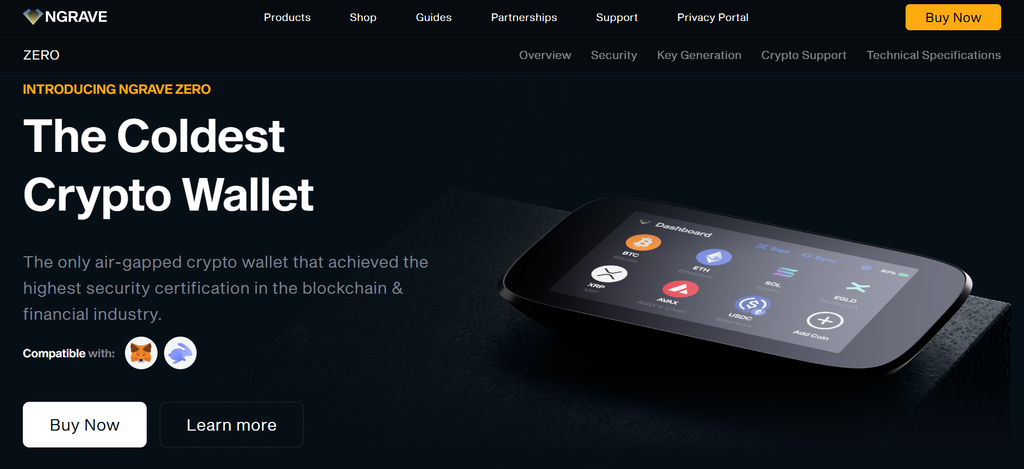
NGRAVE ZERO is designed for people who want to keep their Bitcoin offline for long periods. It doesn’t use USB, Bluetooth, or Wi-Fi. Instead, transactions are transferred using QR codes.
It also comes with an optional metal backup system designed to protect your recovery information from fire and physical damage. NGRAVE appears in some Reddit recommendations, but far less often than Trezor, BitBox02, Jade, or Passport.
8. GridPlus Lattice1
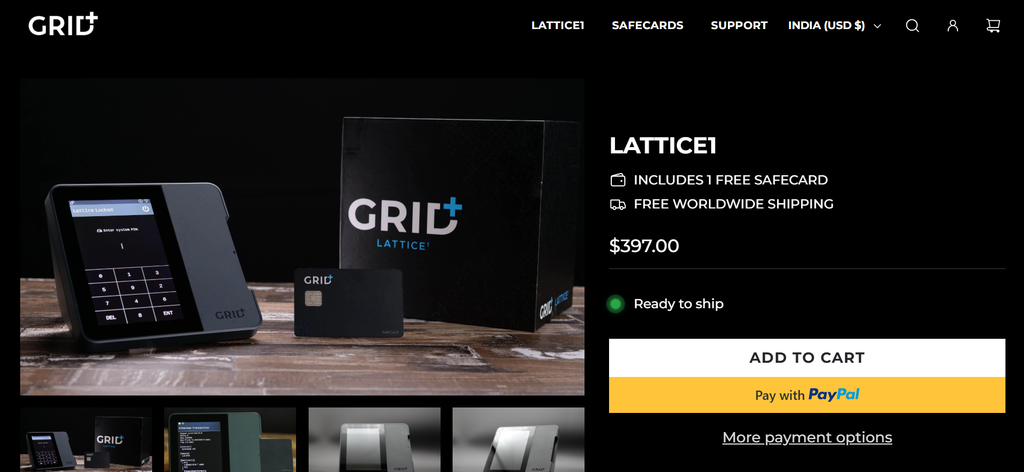
The Lattice1 is aimed at people who manage several wallets or accounts. It has a large touchscreen and uses removable cards to store different wallets separately. That can make it easier to keep different funds apart without buying several complete devices. We found much less recent public discussion about Lattice1 than the more popular Bitcoin-focused options, so there isn’t enough community feedback to call it a common favorite.
9. Coldcard Q
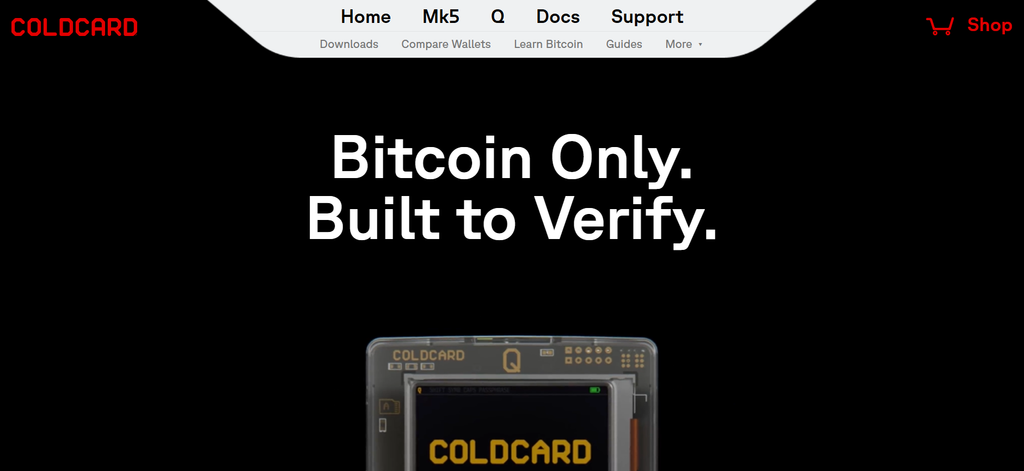
The Coldcard Q is still an option if you don’t want to switch brands. It has a large screen and lets you sign Bitcoin transactions without directly connecting the device to your computer. But there’s an important condition after the Coldcard Hack: updating the firmware alone doesn’t make an affected seed safe.
If your existing seed was created under the vulnerable conditions, you need to create a new seed and move your Bitcoin to it. Online users are split. Some have moved to another wallet after the hack, while others still use Coldcard after creating a fresh seed.
10. Tangem
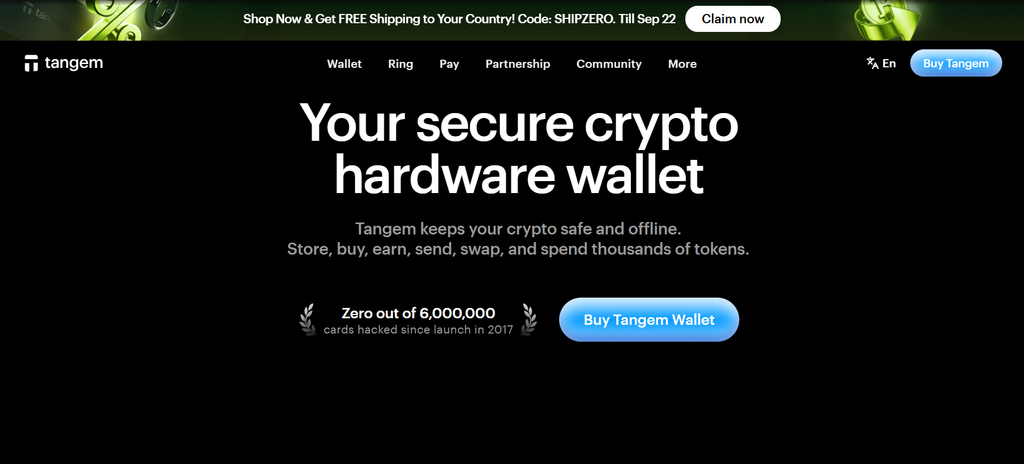
Tangem takes a completely different approach. It’s a small card that works with your phone through NFC, so there’s no screen, battery, or buttons to manage. Its security chip generates and stores the private key inside the card. Tangem’s security has also been reviewed by independent security firms.
The main trade-off is the lack of a screen. You have to rely on the phone app to show you the transaction details before you approve it. Users often praise Tangem for being extremely simple to use. Bitcoin-focused users are more divided because its software isn’t completely open for public inspection.
Hardware Wallet Security Comparison
| Wallet | Price | Open Source | Secure Element | Seed Generation | User Entropy | Audits | Past Incidents | Air-Gapped | Multisig |
| Trezor Safe 5/7 | $169/$249 | Yes | Yes | Multiple sources | No | Public reviews | None found | No | Yes |
| BitBox02 BTC | — | Yes | Yes | 5 sources | Yes | External audit | None found | No | Yes |
| Foundation Passport Core | Discontinued | Yes | Yes | Hardware + host | Yes | Public audits | None found | Yes | Yes |
| Blockstream Jade | $99+ | Yes | Virtual | Hardware + blind-oracle design | Yes | Public code | None found | Yes* | Yes |
| Keystone 3 Pro | — | Yes | Yes | Hardware-based | — | Public code | None found | Yes | Yes |
| Ledger Flex/Stax | $249/$399 | Partly | Yes | Hardware-based | — | — | None found | No | Yes |
| NGRAVE ZERO | $398 | — | Yes | Offline | — | EAL7 | None found | Yes | Yes |
| GridPlus Lattice1 | $397 | — | Yes | Hardware-based | — | — | None found | No | Yes |
| Coldcard Q | $249+ | Yes | Yes | Multiple sources | Yes | Public reviews | 2026 RNG flaw | Yes | Yes |
| Tangem | $59.90+ | App only | EAL6+ | Hardware TRNG | No | 2 audits | None found | Yes | Backup cards |
Frequently Asked Questions
How often should you update hardware wallet firmware?
You should check the manufacturer’s security notices and update when a security fix is released. Don’t update blindly, though. Verify that the firmware comes from the official manufacturer and check whether the update affects existing wallets or only future wallet creation.
Is an Open-Source Hardware Wallet Safer?
Not automatically. Open-source code lets researchers and users inspect how the wallet works and look for security problems. But open source doesn’t mean the code is bug-free or that the hardware itself has no weaknesses. What matters is the full security process, including reproducible builds, independent audits, signed firmware, and how quickly vulnerabilities are found and fixed.
Is a Secure Element Enough to Make a Hardware Wallet Safe?
No. A secure element can make it harder for someone to extract your keys through physical access, but it doesn’t protect against weak seed generation, vulnerable firmware, fake updates, or an exposed recovery phrase. It’s one layer of security, not a guarantee that the wallet is safe.
Are Air-Gapped Hardware Wallets Safer?
Air-gapping can reduce certain attack paths, but it doesn’t automatically make a wallet safer. These wallets stay offline and usually exchange transaction data through QR codes instead of a direct connection. That reduces the wallet’s exposure to connected devices, but it won’t fix weak seed generation or protect a compromised seed.
The post 10 Best Hardware Wallets After the Coldcard Hack appeared first on BitcoinTaxes.
and preserved the original HTML heading tags, sub headings, and key points are used as reference for rewriting a new post. The new written content should be unique and seamlessly integrate into a WordPress platform