
As 2026 unfolds, the altcoin market has seen a surge in rivalry and activity.
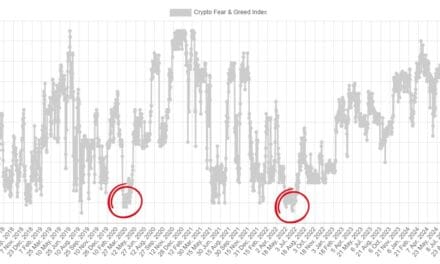
From a broader perspective, the Altcoin Season Index has experienced a significant rebound, climbing 35% in less than 48 hours, reminiscent of its October 2025 performance. Meanwhile, Bitcoin dominance (BTC.D) faces substantial resistance near the 60% threshold.
Consequently, a clear capital rotation towards altcoins is becoming apparent. However, unlike previous trends, this round of altcoin investment seems not to be spearheaded by Ethereum (ETH).

Source: TradingView (ETH.D)
According to the chart, Ethereum dominance (ETH.D) rolled over precisely as the Altcoin Season Index bounced back. During this window, Ethereum experienced an almost 5% pullback from the $3.3k mark, while the ETH/BTC ratio also decreased by 3%.
In summary, the anticipated Ethereum-driven altcoin rally is notably absent this time.
This raises an intriguing question: Is the diminished rotational flow draining ETH’s competitive edge and hindering its breakout potential? So far, an alternate flow of capital seems to be developing, which may redefine Ethereum’s place in this cycle.
A Shift in Ethereum Investment Strategy
Ethereum investors are clearly exhibiting a notable preference this cycle.
Among altcoins, Monero (XMR) leads with a remarkable 55% gain over the last 90 days, while ETH has only managed a modest 5% increase, falling significantly behind. This stark difference indicates weak rotational flows into Ethereum.
However, a deeper analysis unveils a different narrative. Staking flows for Ethereum remain robust, with no exits and 1.7 million ETH queued for staking in the upcoming 30 days, driving the staking activity to a three-year high.

Source: ValidatorQueue
To put it simply, ETH investment flows are transitioning from short-term speculative investments to more strategic long-term commitments.
What’s driving this shift? Staking rewards. Notably, 21Shares is set to kick off payments to HODLers on January 9, with a payout of $0.010378 per share. This incentivizes investors to keep their ETH locked in, supporting this transition towards a more long-term investment approach.
As a result, Ethereum has maintained a steady range while Bitcoin [BTC] experiences lateral fluctuations. Historically, scenarios like this would have prompted short-term capital flows towards ETH as a hedge. However, a shift seems to be occurring.
With Ethereum’s investment patterns evolving, a growing staking supply shock could set the scene for a significant breakout once the market shifts toward a risk-on sentiment, potentially granting Ethereum a substantial “real edge” over Bitcoin and alternative altcoins.
Key Takeaways
- Ethereum investment flows are undergoing a notable transformation, shifting from short-term speculative positions to more sustainable long-term strategies, fueled by rising staking demand.
- This gradual transition could facilitate an Ethereum breakout once the market sentiment turns positive, positioning it favorably against BTC and other altcoins.