
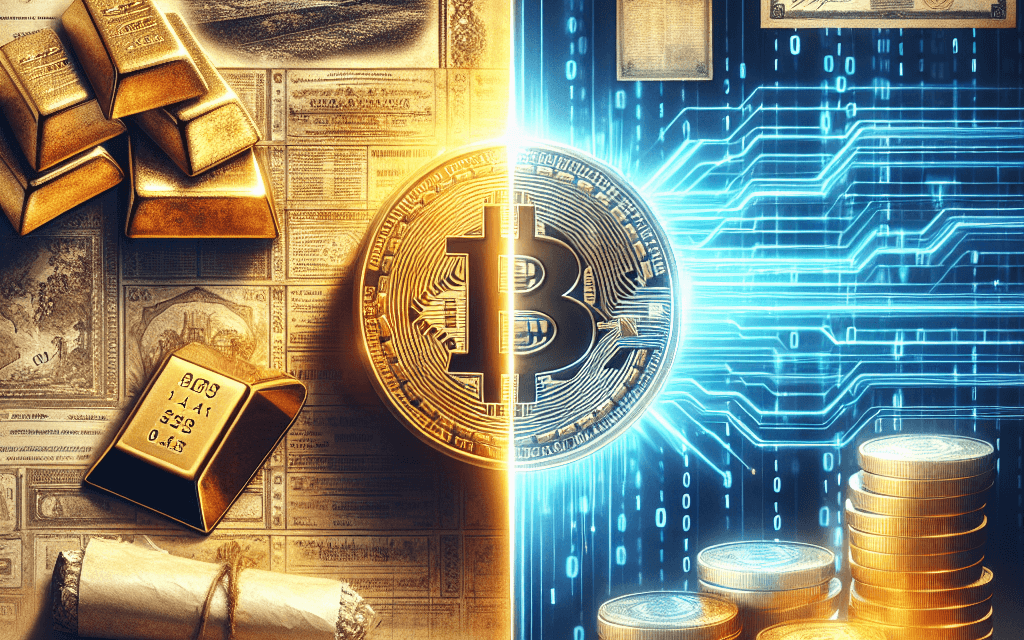
RWA in Crypto Explained: Understanding Real World Assets and Their Tokenization
Real World Assets (RWAs) in the cryptocurrency space represent a groundbreaking trend that seeks to bring tangible assets like real estate, commodities, stocks, and bonds onto the blockchain as digital tokens. This tokenization allows investors to buy, sell, and utilize these assets in decentralized finance (DeFi) and blockchain ecosystems, minimizing the need for traditional intermediaries.
The rise of RWA tokenization is reshaping finance as we know it, attracting the attention of both retail and institutional investors. In this article, we’ll explore the intricacies of RWAs, how they are tokenized, potential yields, inherent risks, and their growing importance in the evolving landscape of finance.
What Are Real World Assets (RWAs) in Crypto?
Real World Assets in the crypto domain encompass tangible resources—like properties, bonds, and precious metals—converted into blockchain-based tokens. Through this process, investors gain access to real-world economic value represented in the digital realm.
The basic principle of RWAs is straightforward: integrating tangible value into digital frameworks. Traditionally, ownership of these assets resides off-chain, recorded in government offices or held by financial institutions, leading to cumbersome transactions laden with paperwork and multi-tiered approval processes. However, RWA tokenization enables assets to be represented digitally, enhancing accessibility and efficiency.
The Mechanics of Tokenization
Tokenization refers to generating a digital token that signifies ownership and economic rights to a real-world asset. Notably, this ownership can be fractionalized. For instance, if you own tokens representing a portion of an apartment, they give you financial exposure to the asset’s income or market value, rather than physical access to the property. By shifting ownership logic onto the blockchain, transactions become seamless, immediate, and transparent.
How RWA Tokenization Works (Step-by-Step)
The process of RWA tokenization might seem complex, but the underlying concepts are relatively easy to grasp:
1. Asset Selection and Legal Structuring
The first step involves identifying a real-world asset, be it real estate, bonds, or commodities. Before proceeding with tokenization, this asset is placed within a legal framework—like a Special Purpose Vehicle (SPV) or a trust—ensuring that the token genuinely represents ownership rights and complies with applicable laws.
2. Token Minting and Standards
Following legal structuring, tokens are generated on the blockchain. Depending on the asset type, different standards are used:
- ERC-20 tokens for divisible assets (e.g., bonds).
- ERC-721 tokens for unique items (like specific real estate properties).
- ERC-3643 tokens designed for tokenized securities with embedded rules governing who can hold or trade them.
These tokens function as asset-backed tokens, each tied to its corresponding real-world asset.
3. Oracles and Real-World Data
Blockchains alone cannot provide insights into real-world events, hence the need for oracles—trusted data providers that feed external information to the blockchain. Oracles relay key updates, such as asset valuations, interest payments, and proof of asset existence, ensuring that the data associated with the tokens aligns with reality.
4. Distribution and Secondary Markets
Finally, once tokens are issued, they can be held, traded, or employed in DeFi protocols. Some platforms are even creating designated markets designed for institutional investors, particularly in contexts like loans or debt instruments.
What Types of Assets Are Tokenized as RWAs in Crypto?
The scope of assets tokenized in the crypto ecosystem is diverse, spanning various classes:
Real Estate
Tokenized real estate is among the most widely adopted RWA applications. It allows fractional ownership, making it easier for investors to participate in property markets that are generally less liquid.
Bonds and Treasuries
Tokenized bonds, especially government treasuries, are gaining traction with institutional players. The familiar nature of these low-risk assets, combined with the efficiency of blockchain technology, enhances their appeal.
Commodities
Commodities like gold, oil, and carbon credits are being tokenized, enabling users to invest in physical goods without dealing with the complexities of storage and logistics. One popular model involves gold-backed tokens.
Private Credit and Invoices
Tokenization extends to private credit and trade finance, allowing businesses to convert future payment obligations into tradable tokens, thereby generating yield for investors.
RWAs as DeFi Collateral
In the DeFi landscape, RWAs can serve as collateral for loans, offering more stable yield from interest income rather than speculative incentives. This stability is increasingly attractive as the DeFi market matures.
Are RWAs Legal and Regulated?
RWAs often fall under existing securities laws, treated similarly to their traditional counterparts. Regulatory bodies focus on what the token represents—if it mirrors a conventional bond or investment contract, it receives similar scrutiny.
Approaches vary by jurisdiction:
- In the U.S., tokenized bonds and funds are generally classified as securities.
- The EU proposes frameworks like MiCA and considers tokenized assets as financial instruments, subject to traditional rules.
- Singapore clarifies that tokenization regulations depend on the economic nature of the asset.
Each of these regions emphasizes compliance, and many projects implement identity verification and transfer restrictions to adhere to legal requirements.
What Are the Risks of RWA Crypto?
Despite offering potentially stable returns compared to purely crypto assets, RWAs present distinct risks. These risks primarily stem from the management and enforcement of real-world asset agreements rather than blockchain technology itself.
Key Risks at a Glance
- Custody Risk: Reliance on custodians or legal entities to manage the underlying asset.
- Regulatory Risk: Changing laws may affect token trading rights and ownership.
- Oracle Risk: Potential inaccuracies in data relayed from external oracles.
- Smart Contract Risk: Vulnerabilities in code can impact asset management and payouts.
- Liquidity Risk: RWAs might not offer rapid liquidity akin to cryptocurrency, especially in stressed market conditions.
Custodial and Counterparty Risk
Tokens usually depend on off-chain custodians to safeguard real-world assets. If a custodian fails, token holders could struggle to redeem their assets, mirroring bank-related risks in traditional finance.
Oracle and Data Manipulation Risks
An error or delay in oracle-reported data could lead to significant discrepancies in asset valuation, impacting users and causing potential losses.
Smart Contract Risk
Issues in the smart contract, even in audited protocols, can disrupt yield distribution and fund access, presenting ongoing technical challenges.
Liquidity and Redemption Constraints
RWA tokens don’t always facilitate rapid trades. Redemption protocols might impose delays or constraints, affecting investment strategies when market conditions shift.
Frequently Asked Questions
Can RWAs Be Held in Self-Custody Wallets?
Technically, RWA tokens can reside in self-custody wallets like standard ERC-20 tokens. However, ownership will still be governed by off-chain agreements, restricting the ability to transfer freely based on compliance conditions.
What Happens if the Issuer of an RWA Token Shuts Down?
If the managing legal entity ceases operations, token holders may face challenges recovering their investments. The process may depend on legal frameworks surrounding asset protection.
Can RWAs Be Used Across Multiple Blockchains?
While most RWAs are launched on particular blockchains, cross-chain functionality through bridges is viable. However, this raises additional trust and security concerns.
In summary, RWAs represent a dynamic intersection of traditional finance and blockchain technology, offering innovative financing solutions while introducing new complexities and challenges. Understanding these mechanisms is crucial for anyone looking to navigate the rapidly evolving landscape of RWA in crypto.