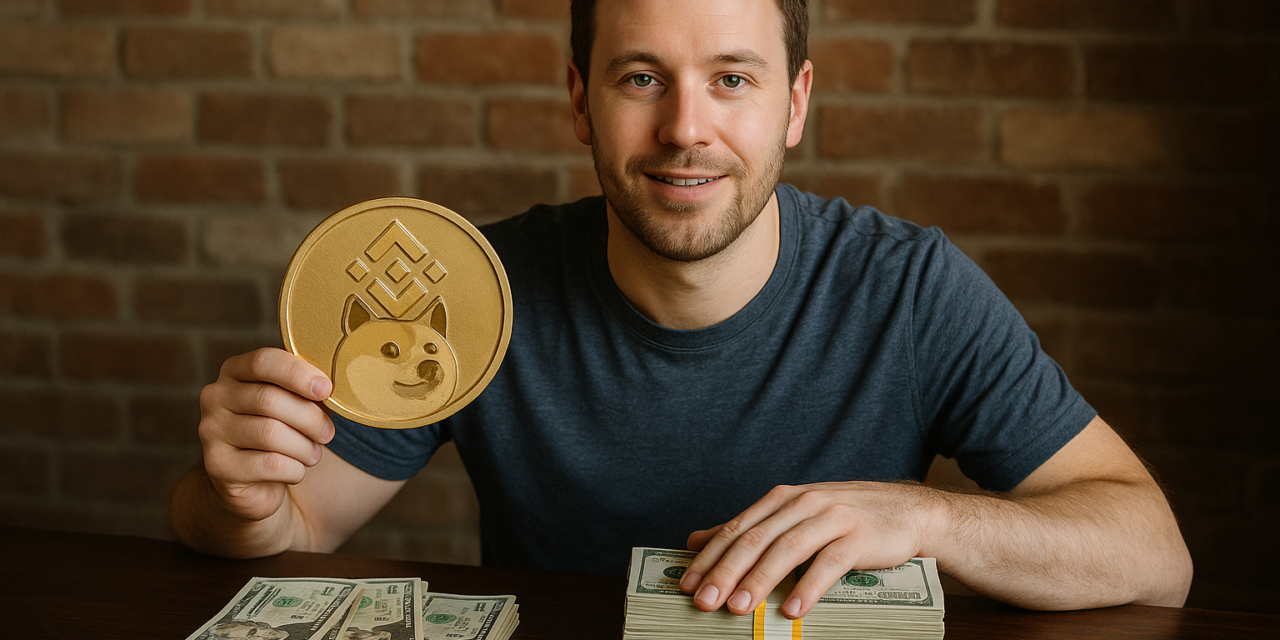
In a striking example of the volatile nature of cryptocurrency trading, a memecoin enthusiast has transformed a $2,480 investment into an astonishing $12 million. This remarkable feat comes at a time when the wider memecoin landscape is experiencing a downturn.
On June 1, on-chain analyst Ember CN reported that the trader acquired Binance Life, also referred to as BianRensheng, shortly after its launch in October. The savvy trader used 2.14 BNB, valued at approximately $2,480 at the time, to purchase 18.5 million Binance Life tokens, averaging about $0.00013 per token.
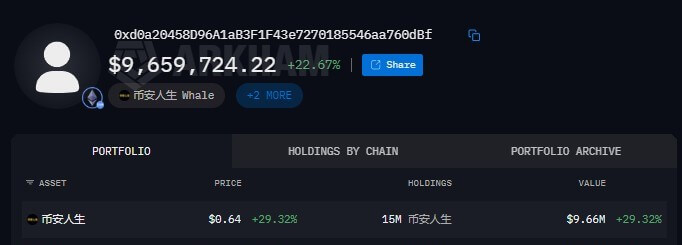
This position has ballooned into an eight-figure fortune as Binance Life saw a remarkable 40% surge on June 1. The trader promptly moved 3.5 million of their tokens, translating to roughly $2.38 million, to Binance—a clear signal of profit-taking following an extended period of holding through the turbulent waters of a notoriously volatile trading segment.
Notably, post-transfer, the wallet retained around 15 million Binance Life tokens, currently valued at about $10 million. This brings the total value of the position to approximately $12.38 million, yielding an incredible return of about 5,000 times the initial investment.
This impressive gain is particularly noteworthy, given that many early memecoin traders often cash out after an initial spike, especially when dealing with assets characterized by low liquidity and no concrete valuation. In this instance, the trader displayed a grueling patience, allowing a relatively small speculative bet to evolve into one of the latest high-stakes victories in the cryptocurrency realm.
Binance Life Taps into a Chinese Meme Culture
Binance Life is emblematic of a burgeoning trend among Chinese-language memecoins that draw inspiration from internet culture, humor, and communal narratives. Unlike traditional cryptocurrencies that assert links to infrastructure, payments, or governance, memecoins largely depend on public attention and social momentum. Their values hinge on speculative interest, liquidity, and the ongoing influx of new buyers in the market.
This unique structure has previously propelled tokens such as Dogecoin, Shiba Inu, Pepe, and Bonk into significant market valuations during various crypto cycles. Recently, Chinese-speaking communities have begun crafting their own niche in this market, utilizing local memes, dialect, and cultural references to forge distinct market identities.
Furthermore, BNB Chain is becoming increasingly integrated into the memecoin ecosystem. Last year, Binance introduced Meme Rush, a platform designed to spotlight meme-oriented projects on BNB Chain, providing emerging tokens with a more prominent entry point into the marketplace.
Former Binance CEO Changpeng Zhao further fueled this speculative frenzy by publicly naming his dog Broccoli, which ignited a surge of Broccoli-themed tokens. The recent rally of Binance Life serves as a testament to the possibility of singular memecoin successes occurring when the right blend of timing, culture, and liquidity coalesce.
The Deteriorating Landscape of Dogecoin and Memecoins
As remarkable as the Binance Life case is, the broader memecoin sector is facing significant challenges and has lost the momentum that characterized the previous cycle. According to data from CryptoSlate, the total market capitalization of memecoins has dwindled to around $32 billion, with nearly all major subsectors recording losses year-to-date.
The Meme Season Index, which gauges how many leading memecoins are outperforming Bitcoin, currently stands at a meager 10, indicating that the majority of prominent memecoins are failing to keep pace with the leading digital asset.
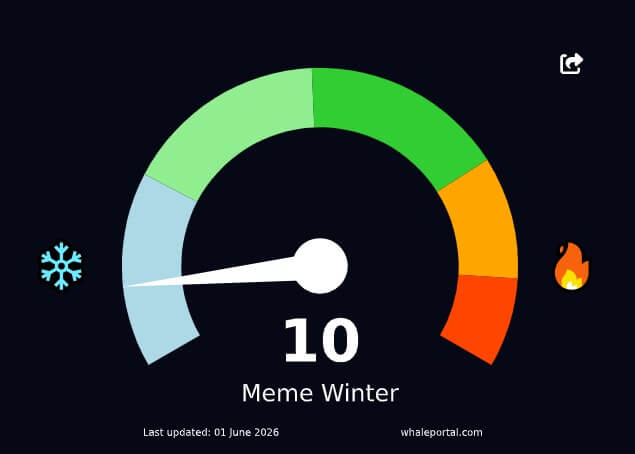
This development marks a stark contrast from late 2024, when platforms like Pump.fun prompted a surge of Solana-based memecoins, propelling tokens such as BONK and PEPE to all-time highs. However, following the controversial introduction of TRUMP and LIBRA tokens in January 2025, the entire sector began to experience increased scrutiny over perceived manipulation and retail losses. By November, the total market cap had plummeted to $47.2 billion and has continued to decline since.
As a result, while the Binance Life trade stands out as an extraordinary anomaly, it also misrepresents the state of the broader memecoin market. One user’s leap from a few thousand dollars to millions does not encapsulate the shifting dynamics where most tokens are undergoing significant setbacks, liquidity is becoming scarcer, and traders are adopting a more discerning approach.
Ultimately, this case underscores that while extreme success stories can still emerge, they do so in a context where the momentum that buoyed many previous trades has largely dissipated.