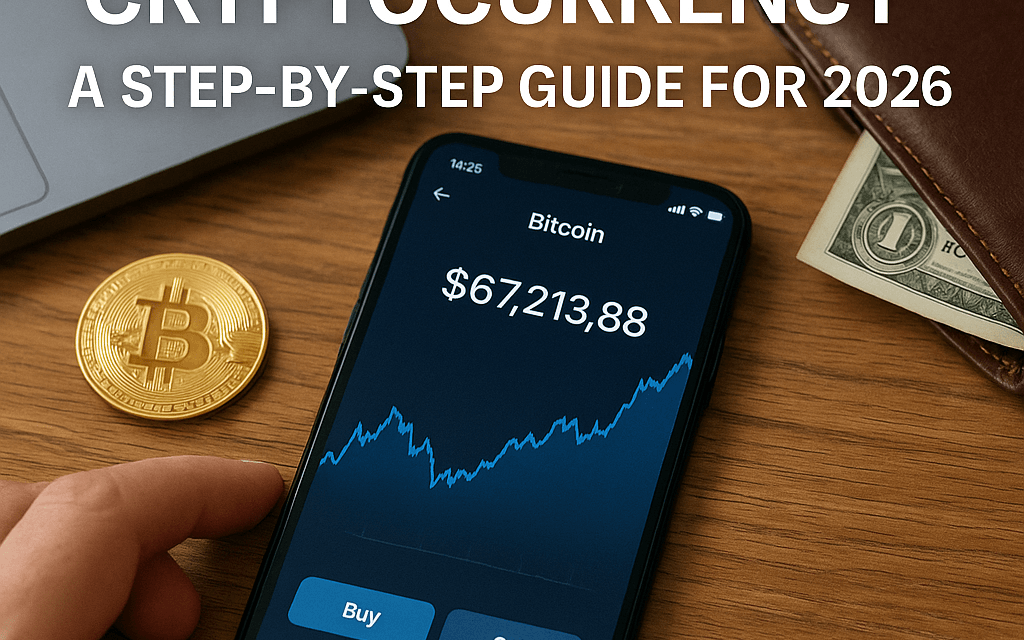
A Comprehensive Guide to Purchasing Your First Cryptocurrency
Buying your first cryptocurrency can seem overwhelming due to technical jargon and market complexities. However, the process is more straightforward than it might appear. This guide will walk you through each step, from selecting an exchange to ensuring the security of your digital assets—while also highlighting common pitfalls beginners often encounter.
Overview of the Cryptocurrency Purchase Process
- Selecting an Exchange: Choose a platform that suits your needs for buying cryptocurrency.
- Account Creation and Verification: Secure your account through identity verification measures.
- Funding Your Account: Add funds using bank transfers or credit/debit cards.
- Executing a Buy Order: Understand the differences between market and limit orders.
- Storing Your Purchased Crypto: Manage where and how you store your assets securely.
Buying cryptocurrency doesn’t require a finance degree or extensive technical skills. The essential steps involve opening an account on a platform, loading it with funds, making your purchase, and deciding where to store your new assets. Millions have successfully navigated this terrain, proving that even novices can enter the crypto sphere safely.
This complete guide will provide you the knowledge needed for your first cryptocurrency purchase in 2026—helping you avoid the common mistakes that often cost beginners money.
Preparing to Buy: Essential Considerations
Before diving in, it’s crucial to settle a few key aspects regarding your purchase.
Decide on an Investment Amount
The amount you invest should be something you’re fully comfortable losing. Given the volatile nature of cryptocurrencies, many seasoned investors recommend beginners start small—typically around $50 to $100. Some exchanges allow purchases of as little as $10 or $20, offering a tremendous opportunity for learning without substantial financial risk.
Define Your Purpose
Consider whether you’re buying crypto as a long-term investment, for active trading, or merely to familiarize yourself with the crypto market. Your purpose influences the choice of platform and the storage methods you may want to employ.
Step 1: Choosing the Right Exchange
The first practical step in your cryptocurrency journey is selecting a suitable exchange—most often a centralized cryptocurrency exchange.
What is a Cryptocurrency Exchange?
A cryptocurrency exchange acts like a brokerage for digital assets, providing a user-friendly platform for buying, selling, and trading cryptocurrencies. Centralized exchanges are ideal for beginners because they facilitate transactions with traditional money, such as bank transfers or credit cards, while managing the technical complexities.
Some popular exchanges include Coinbase, Binance, and Kraken. When choosing an exchange, prioritize security, reputation, and regulatory compliance, as your funds will be stored here.
Key Factors to Consider
- Security: Choose well-established exchanges with a solid track record of protecting customer funds.
- Fees: Familiarize yourself with purchase fees, as these can vary greatly between platforms.
- Supported Assets: Ensure the exchange offers the cryptocurrencies you are interested in acquiring.
- User Experience: A straightforward interface can significantly ease the purchasing process for beginners.
- Geographical Availability: Some exchanges operate only in certain countries—confirm which platforms are available in your region.
While decentralized exchanges (DEX) offer greater autonomy, they require a more advanced understanding and are not ideal for first-time buyers.
Step 2: Setting Up and Securing Your Account
Once you’ve picked an exchange, setting up your account is the next step, but do not overlook the security measures.
Account Creation
To create your account, provide your email and a strong password, then complete the Know Your Customer (KYC) verification process. This often includes submitting personal information and identification documents.
Implementing Two-Factor Authentication (2FA)
Before depositing any funds, it’s vital to enable two-factor authentication (2FA). This adds an additional layer of security, requiring a second code (usually generated by an authenticator app) to log in or perform withdrawals.
Step 3: Funding Your Account
With a secure account in place, the next step is to fund it. Here are your main options:
- Bank Transfer: Often the lowest-fee method, though it may take a couple of days to process.
- Credit/Debit Card: Immediate but generally incurs higher fees.
- Cryptocurrency Transfer: If you already own crypto, you can transfer it to your new account.
Deposit only the amount you feel comfortable losing, avoiding the temptation to invest larger sums that might lead to impulse purchases.
Step 4: Executing Your Buy Order
Now, it’s time to make your purchase. The two primary order types you’ll encounter are market orders and limit orders.
Market Orders
A market order buys cryptocurrency immediately at the current market price, ensuring execution but accepting any price fluctuations. This straightforward approach is usually recommended for first-time buyers.
Limit Orders
A limit order allows you to set the maximum price you’re willing to pay for a cryptocurrency. However, there is no guarantee that your order will be filled if the market does not reach that price.
For first-time purchases, market orders are often the simpler option.
Step 5: Storing Your Purchased Cryptocurrency
Purchasing the crypto is just the first step; securing it is equally important.
Exchange Custody vs. Self-Custody
Default storage for your purchased cryptocurrency is on the exchange. While suitable for small amounts and active trading, this poses risks: exchanges can be hacked or face regulatory issues, leading to the loss of funds.
For long-term holdings, consider transferring them to a self-custody wallet, where you control the keys. Software wallets are suitable for smaller amounts, while hardware wallets offer the most secure storage for significant investments.
Protecting Your Wallet’s Seed Phrase
Regardless of your storage choice, always safeguard your wallet’s seed phrase—this is your master key. Store it offline and never share it or enter it into suspicious sites.
Common Mistakes to Avoid as a Beginner
Beginner errors are often predictable. Being aware of these can significantly protect your investment.
- Chasing Hype: Purchasing a coin based on social media trends often leads to buying at inflated prices. Stay focused on informed choices, rather than impulses.
- Overcommitting Funds: Avoid investing more than you can afford to lose; start small and scale up gradually.
- Neglecting Security: Always enable 2FA, use unique passwords, and minimize the amount left on exchanges.
- Falling for Scams: Every unsolicited message claiming investment help is likely a scam. Never share your seed phrase with anyone.
You’re Ready to Buy!
Your cryptocurrency journey boils down to these five steps: pick a trustworthy exchange, create and secure your account, fund it wisely, execute your buy order, and decide where to safely store your assets.
Each step is manageable, giving you the tools to confidently enter the cryptocurrency realm. Remember, crypto puts you in control, and with control comes responsibility.
By following these steps and maintaining a thoughtful approach, you can avoid common pitfalls and make informed investment decisions that serve you well into the future.
Frequently Asked Questions
How much money do I need to start buying crypto?
You can start with as little as $10-$20, but many recommend beginning with $50-$100 to learn the mechanics without significant risk.
What is the best way to buy cryptocurrency for the first time?
A reputable centralized exchange, such as Coinbase or Kraken, is often the simplest and safest option for beginners.
What is the difference between a market order and a limit order?
A market order executes immediately at the current price, while a limit order allows you to specify a price, executing only if the market reaches that level.
Do I have to verify my identity to buy crypto?
Yes, regulated centralized exchanges require identity verification to comply with legal standards.
Should I keep my crypto on the exchange after buying?
For small amounts, it’s acceptable to leave assets on a reputable exchange; however, long-term or significant holdings are best stored in a self-custody wallet.
How can I avoid losing money as a beginner?
Stick to your investment limits, focus on understanding the market, avoid hype, enable strong account security, and manage your assets responsibly.
This guide is educational and not financial advice. Cryptocurrency investing involves risks; only invest what you can afford to lose.